You bought the car. Now you want to charge it at home, overnight, on a proper Level 2 charger. Good call. The question we get most often is simple: can my panel handle it, or do I need an upgrade first?
Here is how we look at it.
An EV charger pulls real current
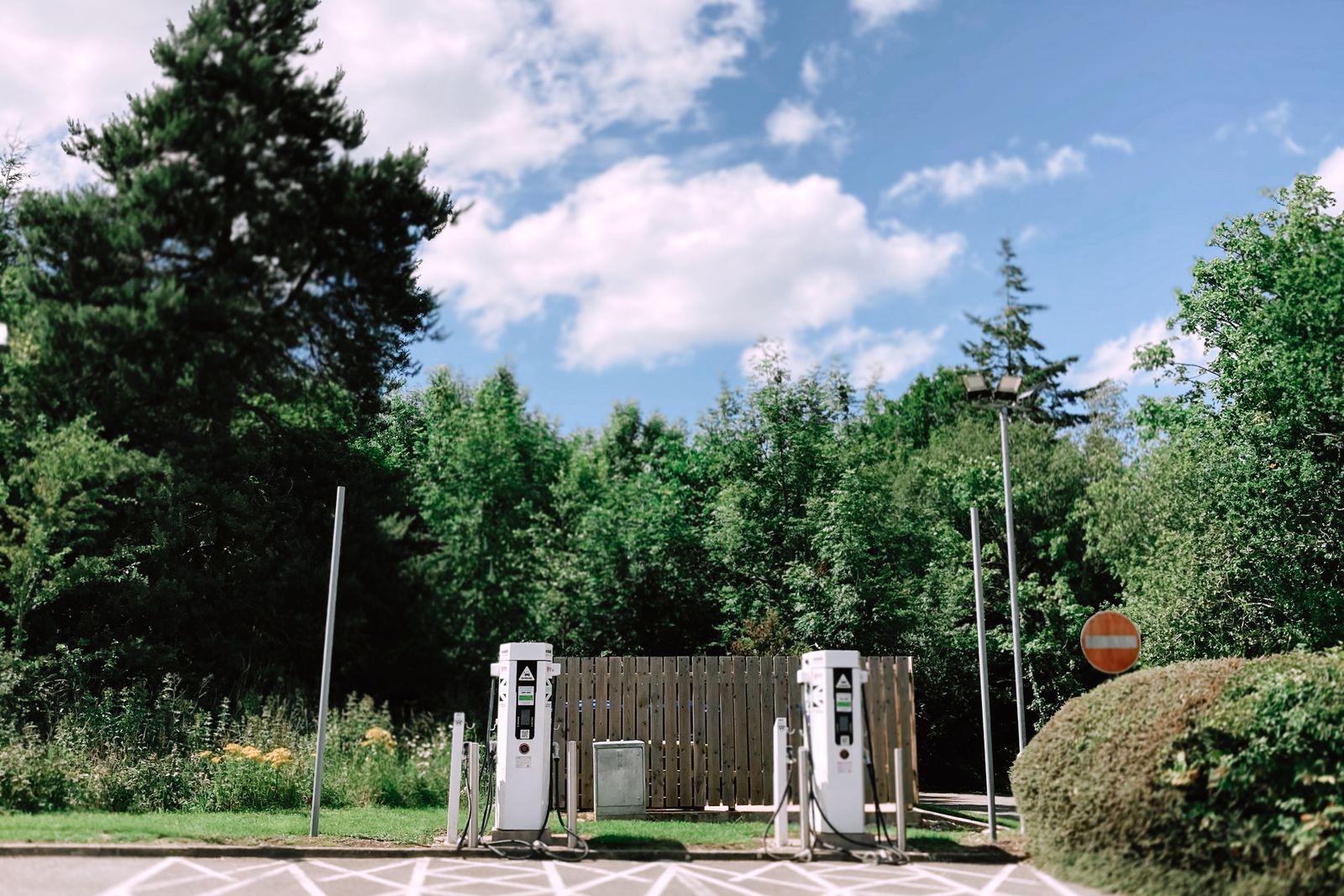
A Level 2 charger typically runs at 30 to 48 amps on a 240 volt circuit. That is a big, continuous load, on its own dedicated breaker. It is not the same as plugging a kettle into an outlet.
The issue is rarely the charger. It is what is already on your panel. Many older Toronto homes are on a 100 amp service, and once you add up the furnace or heat pump, the stove, the dryer, the air conditioner and everything else, there may not be enough headroom left to add a 48 amp circuit safely.
How to tell if your panel is maxed out
A few quick signs your service is already working hard:
- You have a 60 or 100 amp panel and a full row of breakers, with no spare slots.
- Breakers trip when a few big appliances run at once.
- You are also planning a heat pump, a hot tub or a basement suite.
None of these are a definite no. They just mean the load needs to be calculated before anyone quotes you a charger. We do that calculation first, every time, so you are not surprised later.
What a panel or service upgrade involves
If the numbers say you need more capacity, an upgrade usually means going from 60 or 100 amps up to 200 amps. That is new panel, often a new service mast and meter base, and coordination with your utility. It needs an electrical permit and an ESA inspection, both of which we handle for you.
Once the service can carry the load, the charger goes on its own circuit, sized to the unit, and the whole job is certified and on record.
Do it once, do it right
The worst outcome is a charger wired into a panel that cannot really support it. It is a safety issue and an insurance issue. We would rather size it properly the first time.
If you are in a detached home in an area like Leaside, where EV adoption and renovations are common, this is a job we do all the time.
Want to know where you stand? Get a free quote and we will size the load before we quote anything.